Your browser does not support JavaScript!

International Sales: 7-Step Checklist to Sell in a Global Market

Want to improve your international sales strategy? Try this 7-step checklist to ensure you are doing everything you can to help your company succeed internationally.

How to Increase International Sales: 7-Step Checklist

Selling in the international market can be overwhelming. However international sales can greatly boost your business and help it grow. So, what can you do to enter your business in the global market and support it?

1. Review Local Competition

It is important to check out the local competition and find out how they are making their sales and what benefits and perks they offer. Then you can utilize similar strategies or go beyond them to attract customer attention. Specifically, pay attention to local pricing structures and service expectations so you can match them instead of sticking out as different.

2. Get International Business Numbers

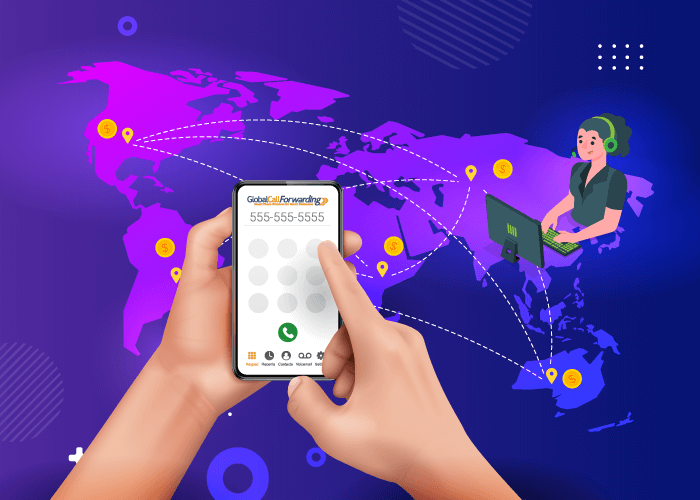
To successfully sell internationally, it is necessary to create and maintain a reliable communication system. This means getting international business numbers such as international toll free numbers or local business numbers. You can have calls made to these numbers routed to your main office, remote employees, or a device of your choice in any location. This helps your business remain accessible no matter its location is.

You can get toll free numbers for international countries and give locals the option to call your business for free. Incoming calls are forwarded to a number or destination of your choice. This lets you manage international sales from any location of your choice.

Similarly, you can get local numbers for specific cities or regions in these countries. Locals can call these numbers for regular local calling charges, even if the call forwards to your main office in a different country.

Related: How to Choose an International Business Phone Service?

3. Invest in International Payment Methods

A big hurdle — when it comes to international sales — is being able to accept various payment methods. Most international buyers will use a MasterCard or Visa for international transactions. However, apps and services such as PayPal also make international purchasing possible. Find the right international payment method for your target location, one that locals are comfortable using.

4. Offer Global Customer Support

As mentioned above, a reliable communication system is fundamental because it lets you offer global customer support. Customers who need help with a purchase or want to inquire about new products should be able to quickly get in touch with a representative. Be available not only via phone conversation but also by offering localized omnichannel support. Think: email, social media, live chat, video conferencing, etc. This helps you offer support in more ways, making customers of every type comfortable.

5. Execute International Marketing

Besides making your business accessible, you will want to increase brand visibility and awareness in the international market with the help of international marketing. Some common ways to get started are:

  • International SEO
  • Targeted social media ads
  • Developing an international-friendly URL structure
  • Language targeting
  • Advertising local contact information
  • Translating your website and social media to local languages
  • Advertising in local markets and directories, and more

These local advertising ideas can help your business become more visible and accessible in foreign markets.

6. Be Available in Different Languages and Time Zones

Another way to support your international sales is by making your company accessible through localization. For example, convert prices into the currency of your target areas. Translate your website to local and regional languages for every country you extend operations to. Offer customer support and sales in local languages. You may even choose to hire remote agents within target areas to match language and time zone requirements.

7. Make Shipping & Delivery Affordable

Lastly, make delivery affordable. Many customers and prospects switch providers or services if shipping and delivery charges are high. And this is especially true of international shipping as those prices stack up significantly. To combat this, you want to be clear and upfront about shipping and delivery charges, including customs charges and beat the logistical issues. Find a carrier that fits your budget as well as offers reasonable shipping charges. For instance, the cost of shipping should not be more than one third the price of the purchase.

Start Selling Internationally!

Not all ideas mentioned in the above checklist may fit or work with your business. However, try and experiment with ones that may and adjust them according to your needs. And before you know it, your business will be offering international sales and gaining recognition globally!

What Is ISDN? The Integrated Services Digital Network Explained

Want to establish an effective and easy-to-use business phone system? Here is an in-depth post about Integrated Services Digital Network (ISDN), how it works, major benefits for business uses, and viable alternatives.

Integrated Services Digital Network Explained

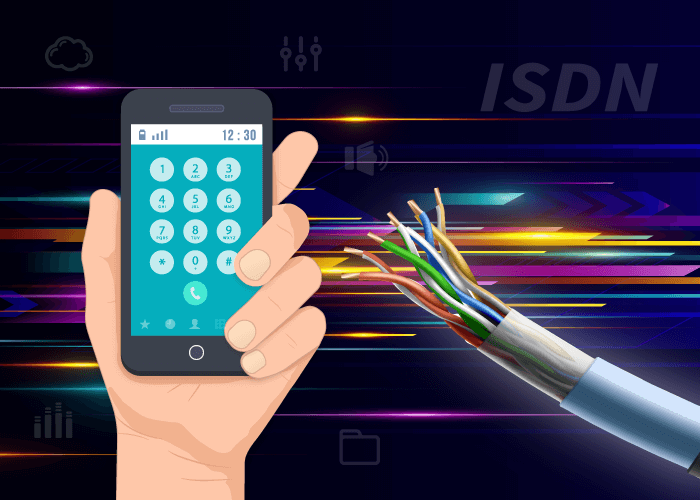
Integrated services digital network or ISDN is a telephone network system. ISDN uses circuit switches to send and receive voice and data through a digital copper line. This phone system was created to replace old landline technology and make it more digital. By doing so, ISDN provides better speed and transmission quality.

How Does ISDN Work?

When users do not have access to a Digital Subscriber Line (DSL) or cable modem connections, then ISDN is the best solution for high-speed internet. To set up ISDN, you will have to work with your ISP and have a working POTS line and phone number.

ISDN vs PSTN vs DSL

When discussing phone-internet services, you will come across a variety of terms such as ISDN, PSTN, POTS, DSL, etc. So, let’s discuss and define some related terms and how they work.

A public switched telephone network is a phone network that uses fixed lines with copper wires to connect users. While the phone network service is almost entirely digital now, the signal transmitted from one user to the next is still analog. Common PSTN features include:

  • Line hunting
  • Voicemail storage
  • Fax line
  • Custom messages
  • Caller ID

ISDN works as an integrated service. In other words, it is used to transmit voice, video, data, and other unified communications between users. By adopting ISDN, users (businesses) do not have to purchase, install, and manage multiple PSTNs. Common ISDN features include:

  • Multiple numbers in a block
  • Extensions and DID numbers assigned to individuals or departments
  • Line hunting

DSL takes ISDN to the next level by digitizing the system. And by doing so, it transmits data quickly and with better quality. But how does it do so? ISDN is a dial-up service that works through one line whereas DSL is always connected and does not need to be dialed to work. This results in DSL sending packets at a speed of up to 100Mbps, while ISDN slows down after 128Kbps.

4 Major Benefits of ISDN

So, why should businesses opt for ISDN and what benefits can they expect from this service? Here are four major advantages of an ISDN connection:

  • ISDN offers better quality and faster data transmission. By doing so, it provides a higher data transfer rate.
  • Allows for multiple data transmissions simultaneously.
  • Users can access multiple digital services through the same copper wire.
  • Users can operate multiple devices (phones, computers, fax machines, credit card readers, etc.) through the same line.

what is isdn

ISDN Alternative: VoIP

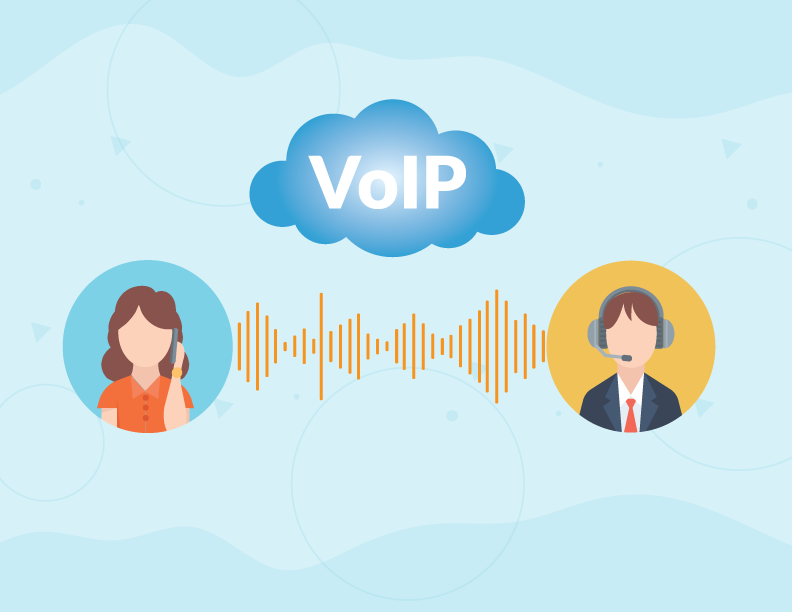
While ISDN seems like an effective business communication service, it is not the most cost-effective option out there. A popular alternative to ISDN is voice over IP. A VoIP phone system converts audio signals into digital signals and transmits them from one user to the next through an internet connection.

By doing so, VoIP lets users make and receive calls without the need of a physical telephone line. Additionally, users can operate this service from any location and through any device of their choosing, making business communications more reliable and accessible. Benefits of using a VoIP phone system include:

1. Cost-effectiveness: A landline phone system costs about $50 for a line that can only call local and domestic numbers. VoIP, on the other hand, gives users access to local numbers and international toll free numbers, and more for low, bundled prices.

2. Features: Gain access to a variety of advanced virtual communication tools such as:

    1. International call forwarding
    2. Extensions for different departments
    3. Creative and effective call management tools
    4. Outbound calling with a dynamic caller ID
    5. Call recording
    6. Call analytics

3. Accessibility and Flexibility: Be available and accessible from any location and device. Make remote working possible and accountable by using a reliable phone system.

4. Scalability: Grow and expand your business phone system as and when needed. Installing new VoIP lines does not mean installing a new connection but acts more like getting a new username which can quickly be connected to a device.

Want to Learn More?

Our telecom experts can help you understand the different types of phone communication services and features available. Furthermore, you can identify which services and tools can boost your specific business’ image and customer relations. Call us today or chat with us online to learn more about the options ahead!

5 Unified Communications Trends You Need to Know in 2026

Source: DepositPhotos.com - Lic#12035840 ID#27446420

Every year, businesses need to check themselves and see how they stack up against not just competition, but market trends. This is where unified communications trends of 2026 come in. How can businesses continue to improve their communication system and, by extension, maintain productivity and manage remote teams?

Unified Communications Trends: 2026

The unified communications trends for 2026 seem to focus not only on increased productivity, advanced technology, and better customer service but also on ways to improve employees’ experience and team collaboration. Read on for the top UC trends for 2026 that businesses should keep in mind.

1. Adoption of UCaaS

One of the top UC trends is the growing adoption of UCaaS. Large companies and enterprises are investing in unified communications as a service as a business communication system. This is because UCaaS consolidates major communications channels and platforms such as voice, video, SMS, and email in the cloud. And by combining all of these applications and channels in one place, UCaaS boasts a cost-effective and organized business phone system.

2. Rising Presence of AI

As can be seen with most industries, artificial intelligence (AI) is slowly expanding and making its way in major processes. Telecom and business communication is no stranger to AI. However, a growing unified communications trend sees AI becoming a more common tool. Think: virtual chatbots, virtual assistants, integrated services, and more. The implementation of AI resonates with the goal of using technology to improve productivity and collaboration and achieve faster and more accurate results.

3. More Cloud Solutions

Cloud communication solutions continue to be on the list of UC trends. And this is simply because cloud computing and storage have been in great demand and used by almost every business. According to a 2019 study conducted by Nemertes, about 67% of companies are currently using some part of their UC cloud solution while a third of those companies are using their UC cloud solution to the fullest extent. Because of this, UC providers are looking at partnerships, affiliations, and integrations that enable users to take advantage of more comprehensive cloud solutions.

4. Rise of Global SIP

As businesses across the world are renewing and improving their global communication systems, it is important for your company to stay ahead of the game. Global SIP gives multinational businesses the ability to expand with ease and reduce communication-related costs. With SIP trunking from VoIP providers, your business can place focus on voice network infrastructure, offer multichannel and multimedia support, and have access to centralized cloud communications.

5. Focus on EX as well as CX

While most UC trends are focused on improving customer experience (CX), in 2026, focus has shifted to employee experience (EX). Improved EX directly leads to enhanced CX, which at the end of the day should be every business’ goal. Unified communications can help employees become more efficient; efficient employees reduce costs and increase customer satisfaction.

Switching to UC for Business

Unified communications can vastly improve your business’ productivity while ensuring it stays in the game with advanced telecom technology. Find out how United World Telecom can help your business; speak with one of our experts today!

Why VoIP is a Good Fit for Distributed Teams

Source: DepositPhotos.com - Lic#44591887 ID#27446420

Need a business communication solution for distributed teams and remote working? Voice over IP or a VoIP phone system can be a great fit for your distributed teams. It can help to ensure your teams stay connected and productive even when they work remotely.

4 Ways VoIP Can Benefit Your Distributed Teams

A VoIP phone system ensures business connectivity over the internet, enabling users to connect from any location and any device. This makes it a good fit for distributed teams and remote workers. Read on for the top 4 benefits of using VoIP to manage remote groups.

1. Employees Can Work from Any Location

Whether your area is hit by a pandemic or you plan on hiring employees from different states and countries, the best part about having VoIP for business is that your employees can stay connected and continue working from wherever they are. All they need is to connect to your VoIP system through a reliable internet connection. Then, they can place and answer important business calls, make sales calls, and offer customer support uninterrupted.

2. Remain Accessible through Multiple Devices

Secondly, employees are not limited to the phones within an office. Employees in distributed teams can work through any device — VoIP phones, computers, laptops, smartphones, tablets, etc. This ensures that they remain accessible even when they are not in the office or if a device fails.

3. Implement a BYOD Policy

Bring your own device or BYOD work policies are growing more and more popular. These policies make it possible for employees to use their own devices instead of devices issued by the company. This means that employees can use devices that are suitable, familiar, and comfortable to use. Additionally, they do not need to learn how to use a new device and can use their own apps that help with productivity. It also helps businesses reduce equipment costs as they do not need to provide employees with phones, computers, laptops, etc., to get their work done. All in all, a BYOD policy can be a win-win situation for both employees and employers.

4. Reduce Communication-Related Costs

With all of the above taken into account, you’ll notice that VoIP can help your business reduce communication costs. For one, you will have a predictable bill each month. Two, you don’t have to worry about equipment or maintenance costs. And that also means you do not have to bother with IT costs. When businesses employ remote workers, having the ability to maintain communication without needing to purchase additional equipment or services can really help keep expenses to a minimum.

How to Set Up VoIP for Remote Teams

Setting up VoIP for distributed teams is quick and easy. Once you have the service, you will need to map out how you want your teams to use the service and its benefits. Here are some key points to keep in mind:

1. Map Out Your Phone System

The first step to setting up a VoIP phone system for your remote workers is to determine how you’ll want calls to be handled. For instance, how many numbers will you be using, and for which departments? Map out how calls will move through the system and how calls will be forwarded or routed. Determine your forwarding needs and settings. For example, you can forward calls to different people at different times of the day or simultaneously to every worker, and so on.

2. Decide What Features to Use

Next, you need to decide how you want to use the features that come with your VoIP service. For instance, you should set up a custom greeting and voicemail message. You will also want to design an IVR with menu options for callers to navigate through. You can play around with other features to see which ones work best for you and your teams.

3. Equip Your Agents

Next, prepare your remote team and equip them to handle business calls. Here too you can use VoIP features to ensure your agents have what they need to do their job effectively. You may even consider creating a support portal or knowledge base that walks them through common issues, troubleshooting help, and so on. Lastly, train them to use the service as well as to be effective agents and salespeople. Once all of this is done, it’s time to start working!

4. Access In-Network Calling for Team Collaboration

VoIP allows for in-network calling which is essential to remote team collaboration and manager-employee interaction. This is especially true for distributed teams and remote workers. Calling someone from your team should be without hurdles and interruptions. And in-network calling makes team communication easy.

5. Make Outgoing Calls from Own Devices with Business Numbers

An outbound calling service from your VoIP provider means that users can make outgoing calls from any device while still displaying a dynamic caller ID. And so, receivers of these calls see your business number even if a remote worker is calling from their laptop. This keeps business calls and remote working professional.

6. Measure Results with Call Records

Lastly, measure results and important KPIs to see how your teams are doing on a regular basis. And you can do this through studying call detail records and call activity. Watch for top KPIs such as first call resolution, average time in queue, average handle time, response time, and so on.

Think VoIP is a Good Fit for Your Remote Teams?

Get a VoIP phone system with United World Telecom and improve distributed teams’ business communication. Give your remote workers the tools they need to work effectively and produce the desired results. For more information, call us today or chat with our experts!

6 Useful Ways to Reduce Abandoned Calls in Your Call Center

Source: DepositPhotos.com - Lic#75940443 ID#27446420

Is your call center not performing well in terms of customer satisfaction? Then you may need to rethink how customers interact with your call center and how many customers give up and abandon their calls. Here we will look at 6 practical methods to reduce abandoned calls and increase customer satisfaction.

What are Abandoned Calls?

Call abandonment or abandoned calls refer to callers that hang up before receiving service or dropped calls. Calculating your call center’s abandoned call rate—an important call center KPI—can help you identify areas that need improvement. Callers that abandon their calls may do so because it is taking too long for them to receive support or to get a human being on the phone. A high call abandonment rate leads to low customer satisfaction. So, what can you do to provide better customer service?

Here are 6 useful ways to reduce abandoned calls in your call center.

1. Invest in a Cloud IVR System

An IVR is an automated phone system that assists a call center in managing incoming calls. The IVR interacts with callers, identifies the reason behind the call, and proceeds to help either via:

  • Pre-recorded messages
  • Transferring the caller to the right department
  • Or sending the call to voicemail

In some cases, the IVR may even assist the caller in performing predetermined actions such as:

  • Activating an account,
  • Processing payments,
  • Providing common troubleshooting help,
  • Submitting a support ticket, etc.

A well-designed IVR phone system will effectively determine the purpose of the caller and assist them. This way, it can cut down the number of calls that need an agent for support. And if the IVR can’t help the customer, it can quickly forward the call to an agent. This is a good way to reduce abandoned calls.

Related: Interactive Voice Response: Definition and Benefits

2. Try Different Call Forwarding and Routing Options

Next, try different call routing options so calls go to the right agent or department and less time is spent transferring or keeping callers on hold. Some common call forwarding and routing strategies include:

  • Time of day routing — route calls to specific numbers or lines during set times of the day.
  • Select country routing — route calls to specific lines based on where the caller is calling from.
  • Direct routing — callers select their preference of the menu provided by your cloud IVR.
  • Data-direct routing — route calls to the right agent based on the caller’s data and history.
  • Least-occupied routing — route calls to agents who have answered the least number of calls.
  • Simultaneous ringing — incoming calls ring multiple phones or lines so no call goes unanswered.
  • Failover forwarding — incoming calls are sent to the next agent in line if the first agent is unavailable.

Different routing strategies can help your call center balance incoming calls and distribute them evenly. You can even have calls made over the weekend or during off-hours forwarded to remote agents. This way, there’s always someone available to answer calls.

3. Prepare a Knowledge Base for Online Support

With everything being easily available over the internet, most customers will first try to solve an issue by themselves before they call a company. For this purpose, having an online Knowledge Base or Support section that provides assistance and troubleshooting for common issues can be a blessing.

Web visitors will first try to resolve their concerns via looking up your Support, FAQs, or Knowledge Base tools. If they are still unable to fix the problem, they can then choose to email or call your company. However, users that are able to fix the problem will not need to make the call, thereby reducing the number of calls in a queue and reducing abandoned calls.

4. Offer Multichannel Support

Another way to reduce abandoned calls is to offer other mediums of support. The Knowledge Base is one such tool. However, other communication channels include live chat, ticket tracking software, email, SMS, etc.

5. Train Your Agents for Common Issues and Large Call Volumes

Irrespective of how well you distribute your calls, if your representatives are not trained well and unable to perform under pressure, then your efforts are in vain. Take time out to ensure that call center agents get the training they need to succeed. Have refresher courses, webinars, and workshops on the regular to reinforce good habits. Furthermore, provide them insightful resources and incentives that can help them do their job well even during high volume periods such as holidays. You may even run a rewards program as well as provide quick and easy access to troubleshooting documents and so on.

6. Schedule Agents Based on Call Traffic

Lastly, study your call logs to see when and where most of your calls come in and schedule agents to tackle high-traffic periods. This way, your team is prepared to deal with the load of incoming calls while offering quick service. Plus, having more agents available during these times will help distribute calls better.

How Can United World Telecom Help?

We offer a variety of virtual communication tools specifically designed for call management. You can rely on our call forwarding options, cloud IVR systems, and rest assured that incoming calls reach the right agents on time. Improve your customer service today by signing up for our service. To learn more, call us or chat with one of our experts today!

Everything You Need to Know About Line Hunting

Source: DepositPhotos.com - Lic#2202475 ID#27446420

Need to find a better solution for your customer service woes? Line hunting can help you offer faster and more reliable customer support. Here is everything you need to know about line hunting and hunt groups.

What is Line Hunting?

Line hunting — also known as call hunting, hunt groups, and call routing — is a business phone system strategy that connects calls to multiple phone lines either simultaneously or one after the other. The idea behind line hunting is to ensure that no call goes unanswered and callers don’t have to endure long waiting times.

How Does a Hunt Group Work?

Hunt groups work by letting calls run through a sequence of phones or let them ring on multiple devices at the same time to ensure an operator answers. For instance, an incoming call may ring on multiple phone lines and devices, also called simultaneous ringing or ring groups. Or, you can have calls go through a sequence of agents until someone answers the call, also known as sequential ringing. In both cases, if no one answers, the call is sent to voicemail as a last resort.

The best part of using line hunting or hunt groups is that the caller has no idea that the call is traveling to different lines or agents. In other words, they are not aware that the first two rings may go to one agent and the next two to the next agent in line.

As a business, you have complete control over how you want your calls to move through the system. Additionally, depending on your provider, you may even be able to control how many rings each line gets before it moves to the next agent.

Combining Ring Groups and Hunt Groups

Businesses can use both ring groups and hunt groups to their advantage. Line hunting ensures that the call travels through a sequence to get to the next available agent while ring groups ring on multiple devices so that the first available employee can answer.

Fortunately, with VoIP numbers, businesses do not have to choose between one or the other call routing option. With both solutions available, your office will be prepared to answer calls quickly, reducing wait times and missed calls.

The Role Hosted VoIP Plays

A VoIP phone system can help your business improve customer service and caller experience by using advanced communication tools like call routing and international forwarding options. Furthermore, employees and agents who are part of these groups do not have to present in the same office or location to use the service. This is because VoIP works over the internet, enabling users to connect no matter their location or device.

what is line hunting

Types of Line Hunting

There are a few different types of line hunting that you can implement in your office. Let’s look at these in more detail.

1. Multiline hunting
With multiline hunting, multiple phone lines work as a single group. When a call comes in, if a line is busy, the call moves to the next available one. The caller hears a busy signal only if none of the lines on the group are available.

2. Linear hunting
Agents are listed in a line or sequence. The incoming call travels through this line and if the first line is busy, the call moves to the next available line. This continues down the sequence until someone answers.

3. Circular hunting
In circular hunting, also known as round-robin routing, calls go down the sequence and start at the beginning of the line, if no one answers them. In this type of hunting, calls move down the sequence and start from the beginning again, even if an agent in between becomes available.

4. Most-idle hunting
In this type of hunting, calls are sent to the line that has been idle the longest. This is a good way to maintain balance and distribute the workflow across representatives.

Considering Line Hunting for Your Business?

We’ve got the solution for you. United World Telecom offers both hunt groups and ring groups so your business can offer quick and reliable customer service. Find out more by calling us today or chatting with an expert!

What Is VoIP Integration and How Can it Empower Your Business?

Source: DepositPhotos.com - Lic#52890987 ID#27446420

VoIP integrations enable businesses to enhance their phone system. These types of voice over IP integrations help teams offer a better customer experience and improve workplace productivity.

In this article, we’ll look at:

  • What is a VoIP Integration
  • Benefits
  • Features
  • Types

What Is a VoIP Integration?

Voice over IP enables users to make and receive business calls from any location and through any device. This means your team can make calls from their computer or laptop while in the office or working remotely. All that is required is a stable internet connection. VoIP stores and transmits data securely in the cloud making it easy, safe, and convenient to use.

But the best part about VoIP is that it integrates comfortably with cloud-based applications and software. This is a great advantage over plain old telephone service. VoIP integrations let users switch between tools to store, share, and sync data between them. Doing so can cut down on time spent doing mundane, manual processes while keeping all your important data easily available.

16 Benefits of VoIP Integrations for Business

Any company that works with a VoIP integration or UCaaS will tell you that there are countless benefits of integration with their business phone system. Some top benefits of VoIP integrations include:

  1. Allowing users added versatility to multitask efficiently.
  2. Enabling call center agents to collaborate and share data and files.
  3. Seamlessly connect computers and telephones.
  4. Streamlining communications by unifying essential tools.
  5. Allowing users to stay connected from any device and any location.
  6. The ability to scale as needed.
  7. Having one centralized, unified platform for all essential business tools.
  8. Supporting remote working for distributed teams.
  9. The ability to receive live visibility and updates of call center activity.
  10. The ability to support a call center-type business.
  11. Easy set-up and management.
  12. The ability to innovate, customize, and adjust as your business needs evolve.
  13. Reducing monthly communication-related bills.
  14. Gaining access to local, national, and international numbers to boost global expansion and reach.
  15. Increasing office productivity and efficiency by streamlining workflows.
  16. The possibility of adding as many VoIP integrations as desired.

Key Features of VoIP Integrations

Now, what you can do with these integrations depends on your VoIP provider and what they offer. Some will offer a comprehensive set of calling features and analytics while others only offer a few select essential functionality. Here are some of the most common VoIP features to expect with your integrations:

1. Voice Calling

VoIP integrations let users make and receive calls through the internet. And when paired with a local, toll-free, or international number, your team can comfortably make local and international calls at relatively low rates. Plus, you benefit from VoIP features such as outbound calling, international call forwarding, and more.

2. Cloud Storage

VoIP providers offer cloud storage to help you securely store data for long periods. However, storage capacity and duration vary. Yet, this can help your phone system store and back up files, data, or call recordings on the cloud where they remain easily accessible.

3. Click-to-Call

Click-to-call generally works with most web browsers or software. This tool lets your team quickly call any number they find online or through their application. When they click the number, the call is placed through their VoIP device or softphone.

4. Contact Lists

This feature synchronizes your contacts across different platforms. This keeps customer information up-to-date and relevant, no matter where your teams access them. If contacts are not up-to-date or easily accessible, you can expect errors. So, such a feature leads to faster and more accurate customer service.

5. Voicemail, SMS, Fax

A voicemail transcription or voicemail-to-email feature sends voicemail messages and transcripts to users’ emails. You can then access these messages from anywhere. You can do the same with SMS and faxes. This way, you have documentation of voicemails, messages, and faxes securely stored.

6. Screen Pops

When calls come in, a ‘pop-up’ that displays customer information will turn up on the relevant agent’s screen. This provides the necessary context for the call, prepping the agent to respond optimally.

7. Call Recording

This feature lets you record incoming and outgoing calls and store recordings for future reference. You can use these recordings for training, documentation, analyzing trends, and more.

8. Data Sync & Call Reports

One of the most common features of VoIP integrations is the ability to automatically sync call and caller data. And most providers will offer that along with detailed call reports and analytics to help you understand your business’ call traffic.

8 Types of VoIP Integrations

There are a variety of VoIP integrations that can work well with your business phone system. However, which VoIP integration will boost your office’s productivity depends on what you are trying to achieve. Here are 8 types of integrations to consider:

1. Customer Relationship Management (CRM)

CRMs are mostly used to track customer contacts and their history with the company, track calls, SMS, faxes, emails, and so on. However, most CRMs available still depend on users manually and individually entering information.

A VoIP CRM integration can improve and streamline this process by automatically syncing communication-related details within your desired CRM.

This would increase efficiency by reducing the time spent entering this information accurately.

2. Helpdesk Software

Helpdesk software or customer support software serves as a central hub for managing and addressing customer inquiries and issues. It typically has features like ticket management, query escalation, multi-channel support, collaboration tools, etc.

Helpdesk integrations combine VoIP and customer support software to better equip your teams to provide quality and responsive customer support.

It helps you keep track of all customer interactions and communications in one place. At the same time, it offers users multiple channels and options to provide timely support.

3. Contact Center Software

This type of VoIP integration is designed to add call center and contact center capabilities to your business applications. With features like advanced call routing and call reporting, your teams can better handle incoming calls and increase efficiency.

For example, advanced routing and ACD can help route callers to the right destination within your organization. Similarly, the click-to-call feature will make it easy for your teams to place quick outbound calls.

These integrations bring call center functionality to your existing phone system.

4. PBX Integrations

You can also integrate VoIP into your existing PBX system. This gives you the ability to upgrade your legacy phone system by adding modern VoIP functionality to it. With VoIP and PBX working together, you can benefit from more global coverage, reliable call quality, secure voice network, and more.

5. Web and Video Conferencing

VoIP can also be integrated into web-based conferencing platforms. Think: Google Meet, Zoom, or even your in-house developed conferencing app.

This integration enables participants to join audio or video conferences through VoIP technology. It simplifies the process of hosting and attending virtual meetings and webinars. And it replaces the need for physical, traditional phone lines with more flexible communication technology.

6. Voice APIs

VoIP APIs are another common integration most providers offer. Application Programming Interfaces (APIs) allow developers to integrate and build systems that cater to specific business needs.

Your IT team can use voice or telephony APIs to integrate VoIP functionality into their custom applications or websites. This provides flexibility to create custom solutions tailored to your communication needs. And you can add key features such as click-to-call features, voicemail transcription, or call recording.

7. Mobile App Integration

More recently, you’ll find VoIP integrated into mobile apps. This allows users to make voice or video calls over the internet directly from the app. WhatsApp is a great example. These apps often use a data connection to transmit calls.

VoIP mobile integrations provide mobility and flexibility, enabling users to communicate using their smartphones and tablets from anywhere. Plus, you can quickly convert any app into one with communication-related capabilities.

8. Unified Communications (UC) Integration

UC VoIP integrations focus on adding multiple communication channels into one platform. Common channels include instant messaging, video conferencing, voicemail, fax, and email.

Some of these will have transcription abilities or send-to-email options. This way, users can switch seamlessly between these channels to communicate and collaborate. And they can quickly connect from any location or device. Your teams can increase productivity by centralizing communication tools, making it easier for teams to collaborate and share information.

Use VoIP to Empower Your Business

VoIP is an advanced communication service that can empower your employees by equipping them with the tools needed to perform efficiently. Think VoIP integrations can support your business needs? Speak with our experts to learn more today!

Top Germany Toll Free Number Providers [2026]

Source: DepositPhotos.com - Lic#40115607 ID#27446420

Toll free numbers in Germany are free for callers. The receiver (the business) is charged for the calls. Callers from anywhere within Germany can call these businesses with a toll free number for free. These numbers are excellent for businesses for this reason. They are an instant indicator that a business is established and poised for communication. If you are considering purchasing a business phone number for communication in Germany, a toll free number may be ideal.

Germany Toll Free Number Providers in 2026

If you need Germany 0800 numbers to support your business plans to expand to Germany, we’ve got you covered. Read on for the top Germany toll free number providers along with information about the types of numbers, their costs, and included features.

1. United World Telecom

Since 1996, United World Telecom has been offering toll free numbers for businesses all over the world. Furthermore, the company provides a global call forwarding service to keep businesses connected across the world. They provide a wide range of telecommunication services to support businesses that need high-quality, cost-effective virtual services for a variety of purposes.

Virtual number plans: United World Telecom’s Germany toll free number plans range from $17.95/month (€15.04) to $528.95/month (€443.22).

Features included:

  • Hosted call recording software
  • Outbound calling (dynamic caller ID)
  • Extensions for different departments
  • Direct inward dialing for individuals and teams
  • Cloud IVR
  • Call forwarding options
  • Call transfer
  • Voicemail and SMS to email

2. Global Call Forwarding

Global Call Forwarding was launched in 2007 and has become one of the world’s leading outlets for virtual business phone numbers. The company offers toll free, local, and international numbers as well as voice over IP.

Virtual number plans: Global Call Forwarding’s Germany toll free numbers start at $17.95/month (€15.04) and go up to $528.95/month (€443.22).

Features included:

  • Hosted call recording software
  • Unlimited extensions
  • Interactive voice response
  • Call forwarding options
  • Time of day routing
  • Select country forwarding
  • Simultaneous ringing
  • Voicemail & SMS to email
  • Outbound calling (dynamic caller ID)
  • Call transfer

3. Vodafone

Vodafone (Germany) was founded in 1990. The company, since then, has been supplying business phone solutions to users within Germany.

Virtual number plans: Vodafone’s Germany virtual business number plans range from $26.89/month (€22.90) to $281.35/month (€239.60), depending on the number of users needed.

Features included:

  • Multiple voice channels
  • Up to 10 blocks of phone numbers at one location
  • IP connection

4. Telekom

Since 1995, Telekom, a German telecom company, has been offering communication solutions across Germany. You can get services such as fixed network, mobile, and internet services.

Virtual number plans: Telekom offers different virtual phone numbers plans ranging from $29.30 (€24.95) to $64.53 (€54.95) per month.

Features included:

  • Multiple numbers
  • Multiple channels (language channels included)
  • Call forwarding
  • Call waiting
  • Voicemail, and more

5. O2 (Telefonica)

Since 1995, O2 (Telefonica) has supplied Germany with broadband, landline, and mobile telecommunications. They remain a reputable option in the market.

Virtual number plans: O2 (Telefonica) voice connection plans range from €40/month to €160/month, depending on the number of voice channels you need.

Features included:

  • Voice connections
  • SIP telephony
  • Easy extension management
  • Call management features
  • Conference calls

Get Germany Toll Free Numbers Today

Here at United World Telecom, we can help you get Germany toll free numbers for business with quick installation and fast activation. You have the option of using a variety of features and there are no contracts. Sign up on our website today or call us to get started!

Hosted Call Recording: Top 7 Benefits

Source: DepositPhotos.com - Lic#75769701 ID#27446420

Hosted call recording can help you improve productivity and efficiency in the office. You can also use the system to conduct quality assurance and performance analysis. Here are the top 7 benefits of hosted call recording for businesses.

Benefits of Hosted Call Recording

Hosted call recording or cloud call recording is a recording system hosted in the cloud. Hosted call recording (with translation and transcription add-ons) is offered by telephony providers like United World Telecom. Most small- to medium-sized businesses can use this service without worrying about any hardware or maintenance costs. All you pay for is your subscription with the provider.

More and more businesses are getting cloud call recording services to increase productivity within the office. So, why should your business invest in a hosted call recording software? Here we will look at the various advantages of using hosted call recording to aid productivity and performance.

1. Keep Records and Documentation

Having a hosted call recording software can help you and your team keep records of all important calls and interactions, transactions, receipts, and more between your business and its clients. Reviewing these recordings can help your team understand customer behavior and preferences and serve them better.

2. Improve Quality Assurance

Most small- to medium-sized businesses use call recording to improve quality assurance within the customer service team. In other words, you can review recordings to see which approaches are more successful than others. This way, your customer service team can be trained to provide good customer support.

3. Conduct Performance Analysis

Call recording can also be used when conducting your agents’ performance analysis. There are many ways to record VoIP calls for review during yearly evaluations and help agents do better or reward them for being efficient.

4. Protect from Liabilities

Furthermore, in case of any misunderstanding or fraudulent activity, call recordings can protect your business from liabilities. Recordings can present as proof or evidence to prevent liabilities or keep your company safe.

5. Collect Customer Feedback

Businesses need to focus on customer experience and customer happiness to remain successful. You can use hosted call recording to run surveys and collect valuable feedback from customers. Then, review the feedback to improve your service and increase customer satisfaction.

6. Comply with Regulations

Financial institutions and companies are required to comply with recording regulations such as the Dodd-Frank Act and MiFID II. These regulations call for transparency during business calls and avoiding fraudulent behavior. Recording business calls will ensure that your finance company remains in compliance with these regulations.

7. Increase Productivity in the Office

Ultimately, all of the above reasons ensure that your office and teams remain productive. You can keep track of your employees’ performance which gives them the incentive to do a good job. Furthermore, you can keep your business safe from fraudulent activity and liabilities. All in all, hosted call recording will help you create a better work atmosphere and improve quality assurance.

Get Hosted Call Recording

You can get call recording from United World Telecom by adding it to your virtual phone number plans. You can record up to 100% of all incoming and outgoing calls and store them for up to 6 years. Call us today at 1 (877) 898 8646 to learn more or to get hosted call recording for your business!

What is the Difference Between UCaaS and CCaaS?

Source: DepositPhotos.com - Lic#49360603 ID#27446420

As “business in the cloud” grows more and more common across industries, users are looking at integrations to increase efficiency and reduce costs. This is where unified communications as a service (UCaaS) and contact center as a service (CCaaS) come in.

Contact Center Versus Unified Communications: What’s the Difference?

CCaaS and UCaaS are business communication technologies. And while there are key differences between the two types of technologies, they work best when combined.

The main difference between UCaaS and CCaaS is that UCaaS focuses on internal communication and collaboration while CCaaS focuses on customer interaction. However, by bundling the two technologies into one cloud platform, you can save on communication costs. This means a monthly predictable bill and no need for extra hardware.

What is UCaaS?

UCaaS or unified communications as a service consolidates a business’ communication tools and applications into one unified cloud-based platform. Communication tools include voice, video, instant messaging, and conferencing. Additionally, they come with features such as call forwarding and routing, interactive voice response, voicemail-to-email and fax-to-email, and more.

A business’s IT team purchases these solutions to improve internal communication. These solutions can help businesses improve their office phone systems and streamline workflow by encouraging collaboration, flexibility, and mobility. UCaaS is similar to platform as a service, PaaS; where UCaaS makes unified communications available to businesses of all sizes.

What is CCaaS?

Contact center as a service or CCaaS also enables multichannel communication through one cloud-based platform. In other words, it is a call center software hosted in the cloud. Your CCaaS provider will create and maintain the software that allows you to enhance customer experiences.

With CCaaS, instead of the IT team, purchasing decisions are led by sales managers and leaders. This is because CCaaS solutions are geared towards sales and customer support. These solutions focus on creating easy methods for agents and employees to connect with clients and leads. Some common features include skill-based routing, customer authentication, outbound calling, etc.

How to Integrate Unified Communications Into Your Contact Center

To integrate unified communications into your contact center, follow the below steps:

1. Find the right provider for a voice and data network:

To get the combined benefits of UCaaS and CCaaS, you need a reliable voice network and/or phone system provider. This is usually a business phone service provider that provides your business with its international toll free service, VoIP numbers, and so on.

2. Choose the best features for your needs:

Browse through different features and services offered by your provider. You may even consider a virtual call center software that gives you access to standard and premium features such as call reports, direct inward dialing, call recording, IVR, and more.

3. Provide excellent customer service:

Use these features to create better customer experiences. Some ways you can do so include:

    • Offering multichannel support (voice, video, email, live chat, text message)
    • Using automation to create a faster and more productive workflow
    • Utilizing features to create a robust business phone system for internal and external communication
benefits of ucaas
Source: DepositPhotos.com – Lic#84599004 ID#27446420

5 Benefits of UCaaS and Contact Center Collaboration

So, why does your business need a UCaaS and CCaaS collaboration? Here are the top 5 benefits of combining or integrating unified communications into your contact center.

1. More internal collaboration

With these technologies combined, different teams or departments within your office can work smoothly with each other. For instance, your marketing and sales teams must work together to determine the right leads and the right way to approach those leads. Being able to communicate easily and share information in a fast and secure manner can boost such collaboration.

2. Enhanced customer experience

With advanced communication features, you can strive to offer better customer service and caller experience. You can quickly forward callers to the right department or agent via your IVR system or through skills-based routing. You can also offer multichannel support for users who do not prefer phone conversations. Furthermore, a well-designed IVR system may even be able to reduce call wait times by providing troubleshooting help via prerecorded messages or sending callers to voicemail. Either way, the goal is to make the experience better for callers so that you retain these customers.

3. Lower communication costs

When bundled, you do not need additional expensive equipment or hardware to support both technologies. You can use your existing devices and phone system. Additionally, having both systems on the same platform ensures you have only one predictable bill per month instead of multiple bills. All of this helps reduce your monthly business communication costs which can result in significant savings for local as well as international businesses.

4. Enable remote working

Since both UCaaS and CCaaS work on cloud technology, you and your teams can work from any location and any device. This gives way to remote contact centers, virtual call centers, as well as distributed teams to work effectively even when working remotely.

5. Low IT maintenance

Finally, since these systems work over the cloud and are usually hosted by your provider, your business won’t have to worry about the costs of managing a data center. You merely rely on your provider, saving more in communication-related costs.

9 Inexpensive Advertising Ideas to Promote Your Local Business

Source: DepositPhotos.com - Lic#123342062 ID#27446420

Are your marketing efforts not bringing enough customers to your local business? Then it’s time to reinvent your approach and try new ways of advertising. Here is a comprehensive list of 9 small business advertising ideas to promote your local business.

Small Business Advertising Ideas: 9 Proven Methods

Sometimes executing just one or two marketing strategies isn’t enough, depending on the type of company you run and the response you want from potential customers. So, what are some other small business advertising ideas you can try? Here is a look at some of the most successful advertising options available.

1. Create a Google Listing

Most customers are looking for services and products online and they find potential companies through Google. This is why it is important to list your business on Google. This usually includes the name of your business, your website, address, contact info, photos of your products and services, and more. Then, you can have users and customers leave online reviews about your local business so that new customers can see how people are using your services.

2. Design a Website with SEO Practices

Your business website is the most important tool you have to reach customers and educate them about what you have to offer. Create a user- and mobile-friendly website and write relevant and original blogs related to your industry and services. This will help web visitors learn about your services but will also help with search engine optimization. SEO best practices can help your website appear higher on search results, increasing the chances of interested customers viewing it. The more people look at your website, the more followers you will generate. And this will lead to more customers converting.

3. Be Active on Social Media

Besides the internet, social media is yet another growing marketing tool. Most individuals are on some type of social media, whether it be Facebook, LinkedIn, Twitter, Instagram, etc. And so, this is a good place to target potential customers. Be active on social media, share blogs, customer reviews, the latest news, and so on. You may even respond to customer queries and questions in a timely manner and use these platforms to offer customer support.

4. Offer Promotions and Specials

To keep your small business relevant, it is important to attract customer attention. And one of the best ways to do so is by offering promotions, discounts, and specials. These can occur throughout the year or on special occasions. But running promotions encourages customers who were on the fence to complete a purchase. For example, you can create a QR code that links to a page offering discounts or exclusive promotions for customers who scan it. Place it on flyers, posters, business cards, or even receipts. And this way, you can increase your customer base.

5. Consider a Toll Free Number

Most business owners don’t realize that one of the top small business advertising ideas is your business phone number. For example, a toll free number is free to call and encourages interested customers to reach out to your small business for queries or customer support. On the other hand, locals calling a local phone number incur local charges instead of long-distance charges. So choosing your business phone number can make a big difference in the way potential and current customers interact with your business.

6. Run a Customer Loyalty Program

Almost all businesses have some kind of reward or loyalty program or membership to reward valuable customers. Through such a program, the more customers purchase from you, the more they benefit. It works as a win-win for both you and your most valuable clients. You may even run special promotions for members only. This will show customers you care about their business and increase customer loyalty, which leads to recommendations made to family and friends.

7. Display Reviews, Affiliates, Testimonials

Online reviews, testimonials, and word of mouth recommendations: these are all important and enticing ways to advertise your local business. Display these on your website, online and local directories, social media platforms, etc. You may even conduct case studies of high-profile clients and display them along with affiliates on your website.

8. Invest in Email Marketing

Email marketing is another common advertising tactic for small businesses to get customers. Build an email list with potential clients and customers including those that:

    • Interact with your website
    • Fill out a sign-up form online
    • Interact with you at exhibitions
    • Reach out via social media
    • Call your business to inquire about products, and so on.

Then, send them newsletters, promotions, and educational posts to help them understand the value of your small business and the benefits of working with you or purchasing your products. In addition, regularly monitoring and updating your DMARC policy can further enhance your email marketing efforts, safeguarding your communication and fostering trust with your audience.

9. Try Traditional Methods: Billboards, Newspaper, Magazines, & Radio

Finally, try traditional methods of advertising. Think billboards with a catchy phrase and contact information, product reviews in newspapers and magazines, jingles on the radio. These advertising strategies have been used for years and continue to prove successful.

Promote Your Small Business Today!

Advertising doesn’t make change happen overnight. You need to lay the groundwork and watch the results. Then, make adjustments as needed such as targeting certain areas more with a virtual number or advertising more on certain platforms. Try the above advertising ideas to see which ones work best for your business!

How to Measure and Improve VoIP Call Quality

Source: DepositPhotos.com - Lic#49280267 ID#27446420

A well-functioning business VoIP system ensures that your business stays connected with customers and clients, no matter where you are located. But an important part of using VoIP numbers or a VoIP phone system is to make sure your call quality is efficient and not compromised. In this post, we will look at how to measure and improve VoIP call quality.

What Are the Most Common Issues With VoIP Call Quality?

Before we delve into how to measure and improve  VoIP call quality, it is imperative to first understand what are the causes of poor VoIP quality. There are a few different factors affecting the quality of your voice over IP system. Fortunately, these VoIP issues are easy to fix.

So, what are the major causes of poor VoIP quality?

1. Latency

Latency refers to lag or delay that occurs between a speaker and receiver. In other words, there is a delay between the time the speaker says something and the receiver hears it. This results in echoes or speakers speaking over each other. While latency doesn’t affect the VoIP call quality, it does make it difficult to communicate effectively, leading to frustration and confusion.

2. Jitter

Jitter occurs when a data packet is delivered later than the rest of the packet. VoIP and SIP calls occur through the transmission of data packets from one user to the next. A data packet can take various paths through the interweb to reach its destination. Furthermore, all the packets may not take the same path which can lead to one or two packets arriving later than the rest. High levels of VoIP jitter can result in bad call quality and missing or jumbled audio.

3. Packet loss

Packet loss refers to the loss of data packets during transmission. There are a few different types of packet loss:

  • Completely lost and never reaches the destination
  • Arrived late, therefore discarded
  • Contain errors, therefore discarded
  • High packet loss leads to bad call quality as pieces or chunks of audio are missed or are hard to decipher.

4. Poor internet connection

Since VoIP calls occur over the internet, having a strong internet connection is essential to the proper functioning of your business phone system. If your ISP is optimized merely for surfing the internet and uploading or downloading files, then you won’t have even bandwidth for speedy VoIP connections and transmission of data packets. You can use online speed testing tools to get a good understanding of your internet capabilities such as:’

  • Upload speeds
  • Download speeds
  • Jitter times, etc.

voip quality of service

How is VoIP Quality Measured?

The Mean Opinion Score (MOS) is the leading tool to measure VoIP call quality. MOS measures subjective call quality and its scores range from 1 (bad VoIP quality) to 5 (excellent VoIP quality).

Some standards and metrics to consider when measuring VoIP include:

  • The ITU standards P.861 (PSQM) and P.862 that state how MOS scores should be calculated.
  • The ITU standard P.563 that calculates call quality passively and includes an R factor to estimate a MOS score.
  • PESQ and PAMS methods that need a license from Psytechnics.
  • Cisco IOS that has built-in tools to measure metrics and estimate MOS during test calls.

How Do I Test VoIP Quality?

In order to test VoIP call quality, you will have to monitor network latency, jitter, and packet loss. VoIP quality tests will enable close monitoring of calls. Call details, activity reports, and alerts can help you identify areas that need improvement or solutions.

What is a Good MOS Score?

MOS measures VoIP quality by assessing the user’s opinion of the call’s quality to score it. On a scale of 1 (bad) to 5 (excellent), a good score for VoIP calls falls between 3.5-4.2 range. This is what a MOS chart looks like:

MOS Quality Issue
5 Excellent Perfect quality
4 Good Less perfect; may include some loss of quality
3 Fair Slightly strained quality
2 Poor Strained quality
1 Bad Heavily strained quality

7 Ways to Improve VoIP Call Quality

So, how can you improve VoIP quality, and what are some helpful troubleshooting methods? Here is a list of 7 ways to fix your VoIP call quality:

1. Check your internet speed

The first step to ensuring high VoIP call quality is choosing the right internet service provider. Make sure you have enough bandwidth for VoIP calls and regularly test your internet speed using online testing tools.

2. Check network & equipment configuration

One of the top troubleshooting methods is to check if your network and equipment are properly configured. A network that is not properly configured can negatively affect call quality. This is especially true if you are transmitting voice and data.

3. De-jitter your VoIP

Jitter is often a result of network congestion, packet lags, configuration issues, etc. The best way to combat jitter is to invest in a de-jitter buffer such as a router or Edge device that receives a Real-Time Protocol (RTP).

4. Check your cabling

Most of the current cabling for phone communication and data transmission is a CAT 5 or higher. Ensure your phone system has the right wiring and cabling for its purpose.

5. Choose good handsets

Another quick and easy troubleshooting method is to get new and improved headsets. Low-quality headsets can easily hinder call quality and make simple communication difficult and unclear. Get good headsets for your employees so they have the best tools to work with.

6. Avoid hubs on your local access network (LAN)

A LAN with multiple hubs can result in low call quality. The recommendation is that each phone is individually connecting to the switch.

7. Determine whether “crackling” is because of faulty wiring or hardware problems

Lastly, if you are experiencing “crackling,” it is important to identify where it is coming from so you can fix it appropriately. Are all lines experiencing crackling? Are cords not properly or tightly plugged in? And so on.

Improve VoIP Quality and Enhance Business Communication

One of the top reasons why businesses are switching to Voice Over IP is because issues related to these phone systems are easy to identify and fix. Ready to switch to VoIP for business? Call us today to find out how our VoIP service can benefit your small business!

The Ultimate Guide to VoIP Security & Encryption

Source: DepositPhotos.com - Lic#70911643 ID#27446420

Voice over IP security is something you must pay close attention to. In this detailed guide, we will cover everything that you need to know about voice over IP security and encryption.

Are VoIP Calls Secure?

While voice over IP is fairly secure, there is still a possibility that hackers may target and compromise your VoIP system. To avoid such security breaches, VoIP security should be taken seriously and steps must be taken to ensure a secure VoIP phone system.

The 6 Most Common Vulnerabilities of Your Voice Over IP System

In order to best secure your VoIP numbers against hackers, you must be aware of the different VoIP security vulnerabilities and types of attacks possible. Here are the top Voice over IP security vulnerabilities to be aware of:

1. Default security settings
VoIP credentials need to be configured accurately. Your web phone is essentially a smartphone that has computer-like capabilities. Instead of using default settings and passwords, users should configure secure credentials to avoid vulnerabilities.

2. Using VoIP over WiFi
Using shared WiFi or networks can often cause security breaches. And since VoIP systems need an internet source — mostly WiFi — to work effectively, there is a chance of the security being compromised when using a public or shared WiFi connection instead of a secure office connection.

3. Attacks on the network
Similar to the WiFi being hacked, one’s user network can also be disrupted and breached. There are various types of network attacks. Attacks on one’s business phone network can directly impact their VoIP security.

4. Remote eavesdropping
In most cases, when your system is vulnerable or attacked, hackers have the ability to eavesdrop on confidential and private information. This information can then be used against your company, either via blackmail or by selling it to the competition.

5. Viruses infecting the system
The internet can be easily invaded by viruses and malware. Any internet application and device associated with it is therefore prone to viruses and security breaches. And since VoIP uses the internet, it too remains vulnerable to such attacks.

6. VoIP phishing
Phishing, also referred to as vishing, is a concept similar to catfishing. With VoIP phishing, when a call is made, the caller pretends to be from a credible organization and inquires about private or sensitive information. These callers often perform VoIP phishing by gaining information about you and your company which makes them appear as legitimate and credible. This creates a false sense of security which may result in sensitive information being shared.

How to Recognize a VoIP Attack

So, how do you know if your VoIP phone system has been attacked? Here are a few key indicators of a VoIP security breach:

1. Huge monthly bills
Has your monthly VoIP bill increased dramatically and unexpectedly? If so, there’s a good chance that your VoIP system has been attacked. Hackers are able to make a call’s IP similar to one recognized by your system. This allows them to use your VoIP infrastructure to make multiple calls without being charged.

2. Suspicious call history
Similar to the above issue, if your call history is irregular and doesn’t fit the number of calls your business is making, it is likely that a hacker is using your system to make calls. To combat this, keep tabs on your call history, check it regularly, and make note of unrecognized call patterns and disparities.

3. Redirected internet searches
If a search through your VoIP system has been redirected to an unknown or unwanted page or website, then it is a sign of your internet system being hacked. Always remember to log out of the system when users are done.

Is Voice Over IP More Secure Than PSTN?

VoIP can be more secure than PSTN depending on the measures your business and your VoIP provider take to protect it. This leads us to the next section that details various methods to increase VoIP security for your business phone system.

Are VoIP Calls Secure?

How to Protect Your VoIP System

There are various policies that businesses can implement to have a secure VoIP system. Encrypting voice traffic and running regular security checks are the best ways to protect your VoIP calls. Let’s look at the top best practices for voice over IP security:

12 Best Practices to Secure Your VoIP System

1. Encrypt voice traffic
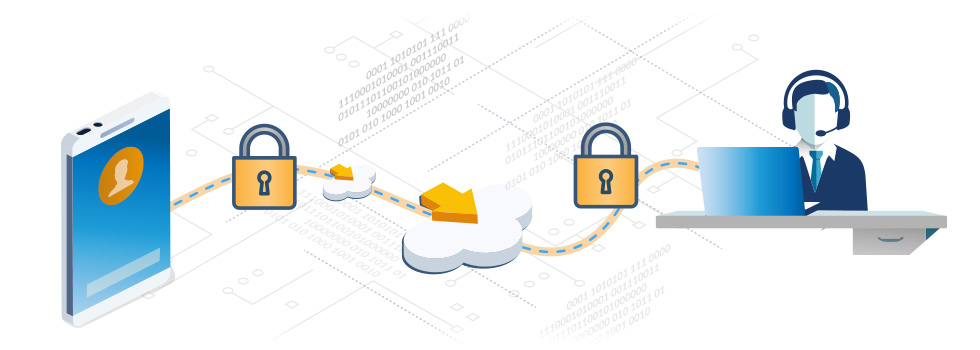
Voice encryption is of utmost importance. Encrypt voice traffic and other traffic that moves through your VoIP system using encryption techniques.

2. Encrypt WiFi
Besides encrypting your voice traffic, you should also encrypt your WiFi providing it with maximum security from breaches.

3. Use a VPN
A virtual private network or VPN adds an additional layer of security. A VPN protects calls occurring over mobile or wireless networks and is a good solution to keep your system secure for on-site as well as off-site workers.

4. Strong passwords
This goes without saying. Make an effort to understand your security system, change default security settings, use strong passwords, and change passwords regularly.

5. Run regular security checks
Conduct regular security checks to test your system and see how it responds and how your security measures perform. Look for backdoors, vulnerabilities, or traces of past hacks. You can also consider implementing CSPM tools, which provide continuous monitoring of your cloud-based VoIP infrastructure. These tools can help detect misconfigurations or vulnerabilities in real-time, allowing you to address potential threats before they escalate.

6. Enable Network Address Translation (NAT)
Network address translation (NAT) is a router feature. This feature gives your VoIP system and devices associated with it a private IP address that is only visible on your LAN. It, therefore, acts as a wall between your system and the internet, making it difficult for outsiders to view your IP address. If they can’t view the IP address, then they can’t use it to hack your system.

7. Close Port 80 With a Firewall
VoIP devices — especially phones — on a local access network need ports to connect to the internet. A port is an active channel located on a router. Port 80 or the Hypertext Transfer Protocol is a port on the router that has HTTP traffic. HTTP traffic is the kind that is used on most websites. This is why port 80 is prone to easy hacking. Use a firewall to close your port 80 so that hackers can’t use it to access the web interface.

8. Keep systems and software up-to-date
Whether it is the computers’ operating systems or anti-virus software, keeping these systems and software up-to-date is crucial to security and protection. You may even consider using an intrusion prevention system or VoIP firewall to add additional layers of security.

9. Avoid international calling, unless needed
Unless your company works in international business and calling internationally is crucial to its operations, it is a good practice to disable international calling. However, if your business needs to call internationally, then make sure to check call records and history often to ensure there are no irregularities.

10. Consider remote device management
Remote device management enables remote access to a device which can then be wiped if the employee quits or is fired, or if the device is stolen. Whether your business issues laptops or implements a remote device management policy, ensure you activate remote device management on devices used by employees.

11. Educate users about VoIP security
It is important that all users of your VoIP phone system understand how the system works and how to keep it secure. Take time out to educate your employees about VoIP security and best practices.

12. See something, say something
By educating employees about VoIP security, you can train them to observe and notice irregularities or suspicious activity which they can then report to you. Such suspicious activity should then be brought to the notice of your VoIP provider.

Most Common VoIP Encryption Methods

In order to encrypt your VoIP traffic, you need to first understand how VoIP and SIP work together. SIP technology or Session Initiation Protocol in a VoIP phone system begins and ends a call session. SIP vulnerability occurs when a hacker invades the SIP process and uses it to eavesdrop on the call, collect sensitive information, and more. To secure your VoIP system, you must first secure your SIP transmission. Here are some VoIP encryption methods to consider:

  • Transport Layer Security (TLS)

Typically, this type of security is used to encrypt a VoIP SIP system when sessions begin and end. TLS keeps your VoIP secure by authenticating a security certificate and encrypting the information transmitted between two or more parties.

  • Secure Real-Time Transport Protocol (SRTP)

Typically, this type of security is used for high bandwidth VoIP usage. For example, you can use SRTP to secure voice calls and avoid bad or low call quality. SRTP protects voice data and information during the call by encrypting the call and adding message authentication within the channel.

  • Physical Protection

Lastly, you want to protect your company’s data from unhappy employees and other users who may have physical access to your VoIP system and hardware. The best way to avoid privacy and security breaches, such as the ones mentioned above, is to limit access to your system and enable remote device management.

Learn More About How to Secure Your VoIP System

Enabling VoIP security is essential to ensuring high-quality and fraud-free voice calling. This will help you offer secure services to your clients and keep their data safe. And doing so goes a long way in building strong customer relationships and credibility. Learn more about United World Telecom’s VoIP systems for business by speaking with our experts today!

Best Hong Kong Virtual Number Providers [2026]

Source: DepositPhotos.com - Lic#41656953 ID#27446420

Need Hong Kong virtual phone number to support your business plans to expand to Hong Kong? We’ve got you covered. Here are the top Hong Kong virtual phone number providers along with information about the types of numbers, their costs, and included features.

Types of Hong Kong Virtual Phone Numbers

Before discussing Hong Kong virtual phone number providers, let’s look at the different types of Hong Kong virtual numbers.

Toll free numbers:
Hong Kong toll free numbers are business phone numbers that do not charge the callers. Therefore, when people call toll free numbers, they incur no charges. Instead, the receiver is charged.

National numbers:
Hong Kong national numbers are phone numbers that are charged normal local calling rates and are accessible from anywhere within the country.

Geographic numbers:
Geographic numbers are phone numbers with local Hong Kong area codes that are charged local calling rates. These appear as standard in-country phone numbers and have no geographic dialing restrictions.

Now that we have listed the different types of Hong Kong virtual numbers available, let’s look at the top providers and what they offer.

Top Hong Kong Virtual Number Providers in 2026

There are countless virtual numbers providers that exist today. These are the top 5 virtual number providers in Hong Kong, according to extensive research by our team.

1. United World Telecom

United World Telecom is a leading provider of virtual communication features and tools since 1996. The telecom company provides business phone numbers (toll free, local, international, and more) as well as IP telephony services.

Virtual number plans: United World Telecom’s Hong Kong virtual phone number plans range from $17.95/month (HK$139.12) to $348.95/month (HK$2704.46).

Features included:

  • Hosted call recording software
  • Outbound calling (dynamic caller ID)
  • Extensions for different departments
  • DID numbers for individuals and teams
  • Cloud IVR
  • Call forwarding options
  • Call transfer
  • Voicemail and voicemail transcription

2. Global Call Forwarding

Since 2007, Global Call Forwarding offers business communication solutions to businesses all over the world. These solutions include business phone numbers, VoIP technology, SIP trunking, and more.

Virtual number plans: Global Call Forwarding’s Hong Kong virtual phone numbers start at $17.95/month (HK$139.12) to $348.95/month (HK$2704.46).

Features included:

  • Hosted call recording software
  • Unlimited extensions
  • Advanced cloud IVR
  • Call forwarding options
  • Voicemail to email
  • Voicemail transcription
  • Outbound calling
  • Call transfer

3. China Mobile Hong Kong Company (CMHK)

CMHK is a subsidiary of China Mobile and is one of Hong Kong’s biggest telecom companies.

Virtual number plans: CMHK’s Hong Kong phone numbers range from HK$28/month ($3.61) to HK$296/month ($38.19).

Features included:

  • 5G network
  • High-quality data
  • Unlimited calls
  • International calling

4. HKT

HKT is a Hong Kong telecom provider offering fixed-line, broadband internet, IP telephony services for small businesses and enterprises.

Virtual number plans: HKT’s business phone number plan includes:

  • Monthly charge — HK$189.90
  • Installation charge — HK$475
  • The DID number plans include:
  • Tone DID line monthly charge — $281/line
  • Pulse DID line monthly charge — $344/line
  • Installation — $475/line, plus additional charges

Features included:

  • Voice and unified communications
  • IP telephony
  • Video intelligence
  • Cloud services
  • Caller display
  • Call transfer

5. 3 Hong Kong

3 Hong Kong is a leading mobile service provider in Hong Kong. They offer voice, roaming, 5G, LTE, and more.

Virtual number plans: The lowest plan starts at HK$188 /month. Within this plan, you get a Hong Kong virtual number, data, and unlimited local voice calling.

Features included:

  • Roaming service
  • IDD service
  • Data Top-up

Get Hong Kong Virtual Numbers Today

Here at United World Telecom, we can help you get Hong Kong virtual numbers for business with quick installation and fast activation. Sign up on our website today or call us to get started!

Top Mexico Virtual Phone Number Providers in 2026

Source: DepositPhotos.com - Lic#50381597 ID#27446420

Need Mexico virtual phone numbers to support your business plans to expand to Mexico? We’ve got you covered. Here are the top Mexico virtual phone number providers along with information about the types of numbers, their costs, and included features.

Types of Mexico Virtual Phone Numbers

Before we discuss different Mexico virtual phone number providers, let’s look at the different types of Mexico phone numbers.

Toll free numbers:
Toll free Mexico phone numbers are business numbers that are free for callers. The receiver (the business) is charged instead of the caller. Callers from within Mexico can call a business with a Mexico toll free number for free.

Geographic numbers:
Mexico geographic numbers, on the other hand, have specific area codes for different regions — such as Chihuahua, Guadalajara, Mexico City, etc. — spread across the country. These numbers are assigned to different cities. Calls made to these numbers incur local calling fees.

Now, let’s look at the top Mexico virtual phone number providers and what they offer.

Top Mexico Virtual Number Providers

These are the best providers of virtual Mexico numbers in 2026.

1. United World Telecom

United World Telecom has been in the telecommunications industry since 1996. The company offers virtual business numbers and international call forwarding for more than 160 countries across the world.

Virtual number plans: United World Telecom’s Mexico virtual phone number plans range from $12.95/month ($287.09 pesos) to $158.95/month ($3,523.78 pesos).

Features included:

  • Hosted call recording software
  • Outbound calling (dynamic caller ID)
  • Extensions for different departments
  • DID numbers for individuals and teams
  • IVR
  • Call forwarding options
  • Call transfer
  • Voicemail and SMS to email

2. Global Call Forwarding

Global Call Forwarding was launched in 2007 and has grown to become a leading supplier of business numbers for more than 160 countries around the world. From Global Call Forwarding, you can get local numbers, toll free numbers, international numbers, IP telephony, and more.

Virtual number plans: Global Call Forwarding’s Mexico virtual phone numbers start at $12.95/month ($287.09 pesos) and go up to $158.95/month ($3,523.78 pesos).

Features included:

  • Hosted call recording
  • Unlimited extensions
  • Advanced cloud IVR
  • Call forwarding & routing options
  • Voicemail to email
  • SMS to email
  • Outbound calling (dynamic caller ID)
  • Call transfer

3. Telcel (América Móvil)

América Móvil, a division of Telcel, is a telecom company in Mexico. They offer fixed voice, data, business communication solutions, and more.

Virtual number plans: Telcel’s Mexico virtual numbers start at $8.98/month ($199 pesos) and go up to $58/month ($1,299 pesos).

Features included:

  • SMS
  • Social media: Facebook, WhatsApp, Twitter
  • Anti-fraud policy

4. Movistar (Telefonica)

Movistar (Telefonica) is a Mexican telecom company offering communication solutions for personal and business use. They offer IP telephony with voice, data, and video services.

Virtual number plans: Movistar’s virtual numbers for Mexico range from $10.78/month ($239 pesos) and go up to $25.67/month ($569 pesos).

Features included:

  • Unlimited calls & SMS
  • International roaming
  • Social media:
  • Instagram
  • Snapchat
  • WhatsApp
  • Facebook
  • Twitter
  • Uber

5. AT&T Mexico

AT&T Mexico is a subsidiary of AT&T for Mexico. The company offers phone solutions for personal and business use with voice, video, SMS, MMS, and email services.

Virtual number plans: AT&T Mexico’s phone numbers for business range from $10.78/month ($239 pesos) and go up to $58.59/month ($1,299 pesos).

Features included:

  • Unlimited social networks
  • Minutes and SMS included
  • 1.5GB – 18GB internet

Get Mexico Virtual Numbers Today

Here at United World Telecom, we can help you get Mexico virtual phone numbers for business with quick installation and fast activation. Sign up on our website today or call us to get started!

What is a PBX Phone System?

Source: DepositPhotos.com - Lic#79560792 ID#27446420

Looking for an upgrade for your business phone system? One that reduces calling costs but enables better and reliable connection? A private branch exchange or PBX system works alongside your current telephone network. However, it has the potential to give you access to high-quality voice and video communication. In this post, we explain what a PBX phone system is and how it can benefit your business.

Private Branch Exchange (PBX): Definition & Guide

A private branch exchange is a telephony solution that enables communication between users of a private network. A PBX system works with your business’ telephone network and handles forwarding and routing features for calls. Companies use private branch exchange systems to reduce monthly phone bills as it operates internally and uses fewer phone lines.

Most PBX providers will offer you communication features along with the system. These features include voicemail, cloud IVR, custom messages, call transfer, and extensions.

Before these systems worked only through plain old telephone service lines. However, now, you can connect your PBX with VoIP technology, also called IP PBX. Voice over IP technology uses the internet instead of analog phone lines to make and answer calls. Both of these systems together will give you the ability to use SIP trunking as a feature that offers voice and video calling at inexpensive rates.

Setting up a private branch exchange system, however, needs expertise. To install PBX for your office, you will need specific hardware, physical space, and an IT team for maintenance. Costs for these can increase quickly. Thankfully, cloud PBX functions as a cost-effective solution.

4 Reasons for Businesses to Use a PBX System

So, why should your business consider getting a private branch exchange phone system? There are many benefits to using a PBX system, which include:

  1. Running a call center: PBX systems can hold inbound and outbound calls in a queue and transfer them to the right department when the time comes.
  2. Connecting multiple locations: a PBX system can route users to employees, agents, or departments in another office location, enabling team collaboration.
  3. Transferring calls through extensions: calls can be transferred quickly and with ease, without the worry of calls being dropped.
  4. Custom call management: Handle and route calls according to your needs and desires by setting rules within the system.

With advancements in telecommunications, there are a few different private branch exchange systems to choose from. The most common are hosted/cloud and on-premise/IP PBX. Let’s delve into these types first.

Understanding the Difference Between PBX, EPABX, and IP PBX

There are many terms for PBX going around: PBX, IP PBX, PMBX, PABX, EPABX, to name a few. And it is not always clear what each of these terms means or which type of phone system is right for your business. Let’s try to break this down so you can make a more informed decision when it comes to your business PBX system.

What is EPABX?

Electronic Private Automatic Branch Exchange — also known as PABX and EPABX — is a PBX system or private telephone network used for internal and external business communication. Employees share limited resources and use a single phone line for business-related communication. This helps reduce phone system expenses.

The main difference between PBX and EPABX systems lies in who operates the system. PBX systems used to be (and in some cases, still are) human-operated or manual systems and are also known as PBMX.

PABX systems, on the other hand, use computers to automate the switching process within the system, also known as Private Automatic Branch Exchange. EPABX systems don’t need an operator and instead use a computer to manage and transfer calls effectively.

pbx flow chart

IP PBX: What is it and How Does it Work?

IP PBX takes the private branch exchange system to the next level by using VoIP technology and cloud communications. IP PBX phone systems use VoIP technology to transfer or direct calls from one end to another by converting analog voice signals into digital signals. The VoIP provider manages the initiation (beginning) and termination (end) of each call.

IP PBX uses SIP technology, the standard for VoIP phone systems. Because of this, your business can make use of SIP trunking to utilize multiple voice channels or SIP channels without purchasing separate lines. And since SIP trunks are location-agnostic and highly scalable, you can set up or move offices or work remotely, as and when needed within minutes.

With IP PBX, you can expect:

  1. Low communication costs — This PBX system is inexpensive compared to analog alternatives. You can choose between different plans (metered and unmetered) of SIP trunking services to find one that works for your business needs.
  2. High scalability — Add/remove users and lines as needed without having to change your system or plan.
  3. Low equipment costs — Use your existing hardware and equipment. No need to teach or train employees in using new systems.
  4. Cloud reliability — By using a cloud-based system, when your PBX system fail, the cloud system’s settings will automatically route calls to predetermined locations or lines to ensure uninterrupted service.

On-Premise vs Cloud PBX

There are two different types of private branch exchange systems: Cloud PBX and On-Premise PBX. And choosing between these two phone systems depends on a few factors:

  • What do you need from your phone system?
  • Do you want to connect multiple office locations through the system?
  • What communication features do you need?
  • What is your budget?
  • Do you have or need to hire an IT team?

The answers to these questions can help you determine which PBX phone system is right for you.

On-Premise Private Branch Exchange System

An IP or on-premise PBX system refers to a system that is installed within the office, is IP-ready, and is handled and maintained by you. You will need an experienced IT team to handle such a system. If you want a system that you can control and manage and you have the budget for it, then an on-premise system may be your solution.

You can even choose to combine your PBX with VoIP tech and run an IP-PBX system instead. This way you can make and receive calls through the internet instead of using analog phone lines. Doing so results in better phone quality and access to VoIP features such as call forwarding, transfer, etc.

Cloud PBX System

A cloud PBX is what it sounds like: a PBX system that works over the cloud. This means that it does not need a physical space in your office. Other terms for cloud PBX include hosted or virtual PBX systems. A hosted or cloud PBX system works similarly to an on-premise system, except that it is operated by your provider.

Therefore, you do not need to worry about installation and maintenance costs or even hiring an IT team to manage the system. In fact, you simply sign up for the service, complete the minor set-up, and start using it.  They take care of the system and all you need to do is use it. One factor to note is that your business will be reliant on your provider and won’t have as much control as with an on-premise system.

With hosted private branch exchange, calls made are routed to the provider and then the destination. Cloud PBX systems are VoIP-based systems that help you take advantage of cloud communication features such as call forwarding, recording, IVR systems, outbound calling, advanced routing, and more.

Choosing Between Cloud PBX vs On-Premise PBX

So, what are the main differences between these 2 types of private branch exchange phone systems?

On-Premise Cloud
Customizable Customizable
Operated on-site by you Hosted by your provider
May use VoIP tech Uses VoIP tech; Needs a broadband connection
Low monthly costs; High upfront costs Low monthly costs; No upfront costs
Controlled and managed fully by you Little to no control over how it operates
Limited calling features Variety of calling features
Physical space required; closet or room No physical space required
Installation and regular maintenance required No installation or maintenance needed
Costly maintenance No maintenance costs
Experienced IT team needed No professional IT experience needed
Limited scalability On-demand scalability
Can handle SIP trunking for high-definition voice and video calling Can handle SIP trunking for high-definition voice and video calling

The bottom line is that if you want a system that is wholly controlled and managed by your in-house IT team then an IP-PBX is the choice for you. However, if you don’t want to worry about the hassle of running and maintaining your phone system, then go with the cloud.

Get a PBX System for Your Business

Here at United World Telecom, we can help get you set up with a private branch exchange system that makes call management simple and efficient. You can sign up on our website or speak with our experts to learn more! Call us at 1 (877) 898 8646 to see how we can assist your specific business.

Best Japan Virtual Number Providers in 2026

Source: DepositPhotos.com - Lic#76709093 ID#27446420

Need Japan virtual numbers to support your business plans to expand to Japan? We’ve got you covered. Here are the top Japan virtual phone number providers along with information about the types of numbers, their costs, and included features.

Types of Japan Virtual Numbers

Before we discuss different Japan virtual number providers, we first need to look at the different types of Japan virtual numbers that exist.

Toll free numbers:
Japan toll free numbers are business numbers that offer free calling to customers. Callers can call these numbers from within Japan for free.

National numbers:
Japan national numbers are business numbers that can be dialed from within Japan and from other countries.

Geographic numbers:
Local Japan numbers are assigned to certain areas within the country and have distinct area codes. Callers are charged regular local calling fees for these numbers.

Best Japan Virtual Phone Number Providers

Now that we have listed the different types of Japan virtual numbers available, let’s look at the top Japan virtual phone number providers and what they offer.

USD to Yen conversion rates are accurate as of January 11th, 2026.


1. United World Telecom

Since 1996, United World Telecom has been providing virtual communication tools such as business phone numbers and call forwarding to businesses around the world. United World Telecom provides:

Virtual number plans: United World Telecom’s Japan virtual number plans range from $17.95/month (¥2,608.03) and to $348.95/month (¥50,512.26).

Features included:

2. Global Call Forwarding

Global Call Forwarding was launched in 2007 to provide easy and convenient communication tools to companies the world over. The telecom company currently offers business toll free and local numbers from over 160 countries. Global Call Forwarding offers

  • Mobile-accessible toll free numbers
  • Geographic Japanese phone numbers
  • Non-geographic Japanese phone numbers
  • Universal toll free numbers (UIFN)

Virtual number plans: Global Call Forwarding’s Japan virtual business number plans start at $17.95/month (¥2,608.03) and go up to $348.95/month (¥50,512.26).

Features included:

  • Unlimited extensions
  • IVR technology
  • Time of day routing
  • Select country forwarding
  • Simultaneous ringing
  • Hosted call recording
  • Voicemail transcription
  • Outbound calling

3. KDDI

Japanese telecom operator KDDI has been supplying Japan with telecom solutions since 2000. They provide local and long-distance voice connections and IP telephony.

Virtual number plans: KDDI’s Japan phone plans include

  • Registration fee ¥2,000 ($)
  • Dial-in registration fee ¥1,000 ($)
  • Business Call Direct fee ¥10,000 ($)
  • Basic monthly fee ¥600 ($)
  • Plus equipment rental costs and additional calling charges

Features included:

  • Dial-in services
  • Call rejection
  • International calling

4. NTT DoCoMo

Nippon Telegraph and Telephone Corporation (NTT) DoCoMo is a Japanese telecommunications company offering voice communication tools to users in Japan.

Virtual number plans: DoCoMo’s phone plans include

  • An initial cost of ¥1,000 ($6.88) – ¥2,000 ($13.77)
  • Monthly cost of ¥900 ($6.19) – ¥5,000 ($34.42)

5. SoftBank

Among other things, SoftBank offers broadband, fixed-line telecom, and internet services. You can get different phone plans for personal and business use.

Virtual number plans: SoftBank’s Japan business phone plans range from ¥400/contract line ($2.75) to ¥1,400/contract line ($9.64). VoIP gateway’s monthly charge ranges from ¥500/equipment ($3.44) to ¥5,000/equipment ($34.42).
CSAT cta 4

Get Japan Virtual Numbers Today!

We at United World Telecom can help you get Japan virtual numbers for your business with quick installation and fast activation. Sign up on our website today or call us to get started!

Top Germany Virtual Phone Number Providers in 2026

Source: DepositPhotos.com - O#:40115607 ID#27446420

Need Germany virtual numbers to support your business plans to expand to Germany? We’ve got you covered. Here are the top Germany virtual phone number providers along with information about the types of numbers, their costs, and included features.

Types of Germany Virtual Numbers

Before we discuss different Germany virtual phone number providers, we first need to look at the different types of Germany virtual numbers available.

Toll free numbers:
Germany toll free numbers are business numbers that are free for callers. Calls from within Germany incur no charges. Instead, the receiver (that is the business) is charged for these calls.

National numbers:
Germany national numbers are accessible from anywhere within the country and are charged local calling fees.

Geographic numbers:
Local Germany numbers are numbers assigned to specific area codes within the country. For example, you can call Germany geographic numbers for Berlin, Cochem, Cologne, Düsseldorf, Frankfurt, and more. Calls made to these numbers are charged local calling rates.
CSAT cta 2

Top Germany Virtual Phone Number Providers

Now that we have listed the different types of Germany virtual numbers available, let’s look at the top Germany virtual phone number providers and what they offer.

1. United World Telecom

Since 1996, United World Telecom has been offering virtual phone numbers and international call forwarding for businesses across the globe.

Types of virtual numbers offered: United World Telecom provides:

  • Germany toll free numbers as well as mobile-accessible numbers
  • Germany geographic numbers
  • Germany national numbers (32)
  • Universal toll free numbers (UIFN)

Virtual number plans: United World Telecom’s Germany virtual number plans range from $12.95/month (€11.02) and to $608.95/month (€518.10).

Features included:

  • Hosted call recording software
  • Cloud IVR
  • Outbound calling (customizable caller ID)
  • Extensions and DID numbers for different departments and teams
  • Call forwarding
  • Call routing
  • Voicemail and SMS to email, and more

2. Global Call Forwarding

Launched in 2007, Global Call Forwarding has become a reliable outlet for business phone numbers and virtual communication features to enable easy international communication.

Types of virtual numbers offered: Global Call Forwarding offers:

  • Germany toll free numbers as well as mobile-accessible numbers
  • Germany geographic numbers
  • Germany national numbers (32)
  • Universal toll free numbers (UIFN)

Virtual number plans: Global Call Forwarding’s Germany virtual business number plans start at $12.95/month (€11.02) and go up to $628.95/month (€518.10).

Features included:

  • Hosted call recording software
  • Unlimited extensions
  • Advanced cloud IVR
  • Call forwarding options:
    • Time of day routing
    • Select country forwarding
    • Failover forwarding
    • Sequential forwarding
    • Simultaneous ringing
  • Voicemail to email
  • SMS to email
  • Outbound calling
  • Call transfer

3. Telekom

Telekom was formed in 1995 and has since been offering telephone solutions across Germany such as fixed network, mobile, and internet services.

Types of virtual numbers offered: Telekom offers German business phone numbers for landline and mobile networks.

Virtual number plans: Telekom offers different virtual phone numbers plans ranging from $29.30 (€24.95) to $64.53 (€54.95).

Features included:

  • Multiple numbers
  • Multiple channels (language channels included)
  • Call forwarding
  • Call waiting
  • Voicemail, and more

4. Vodafone

Vodafone Germany was founded in 1990 and since then has been providing communication solutions to personal and business users in Germany.

Types of virtual numbers offered:

  • Business phone numbers
  • Landline and mobile numbers

Virtual number plans: Vodafone’s Germany virtual business number plans range from $26.89/month (€22.90) to $281.35/month (€239.60), depending on the number of users needed.

Features included:

  • Multiple voice channels
  • Up to 10 blocks of phone numbers at one location
  • IP connection

5. O2 (Telefonica)

Since 1995, O2 (Telefonica) has supplied Germany with broadband, landline, and mobile telecommunications.

Types of virtual numbers offered: O2 (Telefonica) offers:

  • 0800 toll free numbers
  • 0180 numbers
  • Local phone numbers

Virtual number plans: O2 (Telefonica) voice connection plans range from €40/month to €160/month, depending on the number of voice channels you need.

Features included:

  • Voice connections
  • SIP telephony
  • Easy extension management
  • Call management features
  • Conference calls

Get Germany Virtual Numbers Today

Here at United World Telecom, we can help you get Germany virtual numbers for business with quick installation and fast activation. Sign up on our website today or call us to get started.

ITFS Explained: What is International Toll Free Service?

Source: DepositPhotos.com - Lic#30424889 ID#27446420

Need an improved and reliable business phone system? Have you considered an international toll free service to attract customers from all over the world? Such a service can help you establish communication overseas while having calls routed to your main office or smartphone, anywhere in the world. Here is an in-depth guide to international toll free service (ITFS), its benefits, and why you should consider one for your business.

What is International Toll Free Service (ITFS)?

An international toll free service (ITFS) refers to a toll free service that makes international calling possible and easy on the budget. With such a service, you can get international toll free numbers (ITFN) for different countries across the globe. Customers from within those countries can call your ITFN for free while incoming calls route to a number or line of your choice, anywhere in the world and on any device.

This is the main reason why most modern and international businesses are using an ITFS provider to establish a strong international presence. International calling can be expensive, which is why new and small businesses stick to local clientele only. However, with ITFNs, even a small business can go global without incurring a tremendous increase in their expenses.

Try international toll free services risk free

Reasons to Consider an International Toll Free Service

So, why should your business consider subscribing to an international toll free service? Here are a few top reasons.

1. Expand to New Global Markets
An ITFN helps you test out and enter new markets spread across the world. Think your service will do well in Mexico but are not sure? Get a Mexico toll free number and conduct market research. Run small-scale campaigns or surveys and study how potential customers respond to your product. Then, you can decide whether to further invest in this country or try a different one.

2. Extend Sales Operations to New Countries
Once you are sure you want to extend operations to a new market, you can start small. With ITFNs, you do not need to immediately open field offices to offer sales and customer support services. Start by getting a toll free number and creating a local virtual presence. All incoming calls will route to your original office, wherever it is located. Later, as your business grows in that country or region, you can run a small office with remote and local employees.

3. Offer International Customer Support
An international toll free service will let you provide international customer support to all clients located across the world. You can have calls sent to your main office, home office, or remote agents spread the world over. This way, you can offer support during different time zones and in different languages as well. Customers who can quickly connect with a business at a time convenient to them will remain more loyal.

4. Build a Reputation as an International Business
Use an international toll free number to generate sales and provide support across the world. And by doing so, you can establish your business as an international one. This will only help increase brand visibility and awareness, all of which are important to keep sales growing.

5. Increase Credibility and Reliability
For years toll free numbers have been associated with well-established and large corporations. Getting an international toll free service can help you develop a credible reputation in more than one country. By remaining accessible and easily reachable, you become a business that is reliable and trustworthy. Your customers know that they can reach you quickly no matter what and that will make them want to continue doing business with you.

6. Offer 24/7 Multichannel Customer Service
An ITFS provider like United World Telecom does not only offer a reliable toll free service but also gives you access to communication features that will boost sales and customer service. You can offer 24/7 customer service by:

  • Using our IVR technology to provide quick answers or troubleshooting solutions
  • Forwarding calls to multiple locations simultaneously or during specific hours
  • Offering support in local languages and time zones
  • Using voicemail and SMS services
  • Using our CallMe Click feature that lets web visitors put in their contact information to receive a call back from your business immediately, and more

Being able to provide customer support around the clock goes a long way in retaining valuable clientele.

7. Be Flexible and Mobile
Lastly, your business can remain flexible and portable. Take your business with you wherever you go, set-up offices in different locations, and offer remote-working opportunities. Remote working has become increasingly favorable and being able to offer this option to employees can positively impact productivity.

What is ITFS

Choosing an ITFS Provider

Think an international toll free service can boost your international sales? The next step is to find the right ITFS provider. Here are a few factors you must consider when looking for the right provider.

1. Reliable Service
How long have they been in business and what are current customers saying about their services? Looking up the company’s history and customer reviews can be helpful in determining how reliable their service is.

2. Wide Range of Plans
Do they offer you different business plans? Is there any flexibility or are there only long-term contracts that are hard to get out of? This is important to consider as subscribers sometimes want to change plans because the process is not working out. If your provider has a strict long-term contract policy or high cancellation fees, then you may want to find a different one.

3. Variety of Communication Features Included
Besides forwarding calls from international clientele to your desired phone, you can also take advantage of enhanced business communication features. For instance, United World Telecom offers the following features with our virtual phone number plans:

When looking for your new international toll free service provider, ensure they have features that you need to build the right business phone system.

4. Easy Access to Customer Support
Finally, you should be able to reach your provider easily and 24/7; whether it is by phone, email, or chat. United World Telecom, for instance, offers 24/7 customer support via phone, email, live chat, and support tickets.

Related: How to Choose an International Business Phone Service?
CSAT cta 1

Is ITFS Right for You?

If global expansion is on your business to-do list, then an international toll free service is highly recommended. This service will make creating long-distance business connections easier and less expensive. Speak with our global specialists today to see how we can help you!

5 Benefits of International Toll Free Numbers

Source: DepositPhotos.com - Lic#39995299 ID#27446420

Are international toll free numbers worth it? What benefits can they bring to your business? In this post, we will explain the top 5 benefits of an international toll free number and how ITFN can improve your company’s sales and customer support efforts.

Why Your Business Needs International Toll Free Numbers

An international toll free number is a phone number that can be dialed for free from within their designated country. These calls are then forwarded to another country where the business is located. You can make and answer calls for this number from any location and any device.

For example, a business located in the United States can get toll free numbers for different countries such as UK toll free numbers or Singapore toll free numbers. Callers from within the UK or Singapore can call this toll free number for free. And incoming calls are routed to the business’ office in the US or your smartphone or home office.

Getting an ITFN can greatly boost your international communications and present you with multiple opportunities for growth and expansion. Here are 5 benefits of international toll free numbers.

Related: What is an International Toll Free Number?

1. Global Expansion

With ITFNs, you can expand internationally to many of the world’s 195 countries. Whether you want to target Asia, the MENA region, the UK, or the Australian continent, you can create a local presence in any of these countries with the help of international toll free numbers.

According to Velocity Global, about 53% of businesses are pursuing global expansion upon receiving investments in 2020. Industries that are entering local markets and making waves are Tech, SaaS, Big Data, and Agtech industries. And the main reason why these businesses look for new markets is to expand their customer base and develop better efficiencies.

2. Reduce Operating Costs

With international numbers, as a business manager or owner, you may even consider outsourcing certain tasks to lower-wage countries. Most businesses outsource customer support, telemarketing and sales needs, IT support, troubleshooting, and more.

Outsourcing is becoming more common thanks to cloud technology. In fact, about 93% of organizations consider or adopt cloud technology to improve outsourcing. In fact, a third of all organizations claimed they were willing to increase operating costs for access to the cloud.

You can get services from these areas without opening field offices in the vicinity. This way, you can reduce operating costs while keeping your business afloat.

3. Branding & Credibility

With international toll free numbers, you can easily and quickly set up global communication and marketing. You can communicate to customers in other countries that your company is large and well-established. Market your business as a global one that offers quick and reliable service. All of this can greatly impact the way potential customers see and interact with your business, increasing sales and growth.

4. Increase Customer Satisfaction

An important aspect of running any type of business is offering excellent customer service that will result in high customer satisfaction rates. With toll free numbers, you can provide a toll free hotline for sales or customer support that customers can call for free from different parts of the world. You may also set-up 24/7 customer support by forwarding calls to offices in different time zones. These tactics can help you offer better service, become more accessible to your customers, and thereby improve customer satisfaction.

5. Measure & Improve Performance

Lastly, you can use phone call tracking to analyze global marketing and sales campaigns. You can purchase multiple ITFNs and track incoming calls from target areas. Where and how are customers interacting with your brand? Which geographic location or demographic group is responding better to your product? Where are sales failing and why? These are a few parameters you can use to improve performance and achieve desired results.

Where Can I Get International Toll Free Numbers?

United World Telecom is a trusted provider of international toll free numbers. We offer numbers from more than 160 countries across the globe. Our international toll free numbers ensure that you receive calls while maintaining call quality and reducing international calling rates. Sign up for a new number today on our homepage or call us to learn more!